



- turn the crankshaft pulley bolt clockwise with a wrench or socket until the pistons are approximately in the middle of their stroke to prevent valve damage;
- place a new gasket on the cylinder block;
- if the lower intake manifold has been removed, it should be installed at this stage before tightening the mounting bolts, ensuring that the side facing the timing gear is flush with the cylinder head side;
- carefully lower the head onto the cylinder block, being careful not to displace the gasket;
- insert verified (or replaced) bolts and tighten them by hand;
- tighten the cylinder head mounting bolts to a torque of 20 N·m in the order shown in Figure 3.21, then tighten all the bolts in the same order by 240°±6°. After completing this procedure, no additional tightening of the bolts is required. If there is no angle measuring attachment on the ratchet, first apply angular markings to the cylinder head with paint;
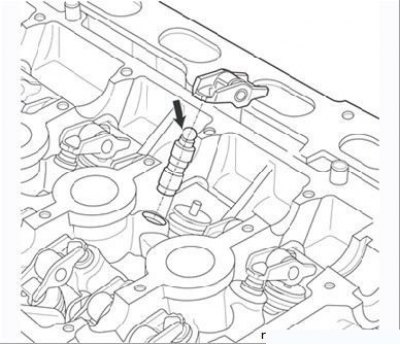
Figure 3.22. Checking the hydraulic tappet (the force is applied in the direction of the arrow)
- check the hydraulic lifters (Figure 3.22), pressing their end with your finger along the arrow shown in the figure. If the plunger sinks, it means that the hydraulic tappet needs to be bled. To do this, completely immerse the hydraulic tappet in a container with engine oil and press its end several times;
- remove the hydraulic lifters from the oil box cells and install each one in its place;
- remove the roller rockers from the boxes one by one and place them in their places;
- lubricate the camshaft bearings. Do not allow oil to come into contact with the mating surface of the cylinder head cover;
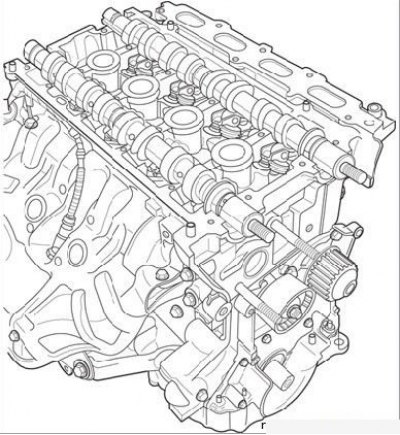
Figure 3.23. Installing camshafts (toothed sprockets removed)
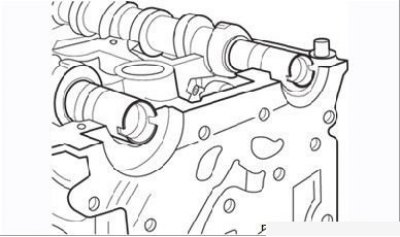
Figure 3.24. Location of grooves on the ends of camshafts (view from the flywheel side)
- place the camshafts in their places according to the marks applied (Figure 3.23). Grooves on the ends of the shafts (from the flywheel side) must be positioned horizontally (Figure 3.24);
- set the piston of the first cylinder to TDC of the compression stroke, as described below in the subsection "Toothed belt";
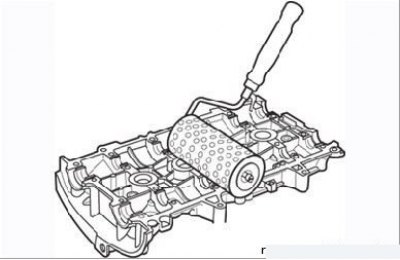
Figure 3.25. Applying sealant to the cylinder head cover surface with a roller
- make sure that the mating surfaces of the head and cover are clean, dry and free of grease (especially avoid touching them with your fingers to avoid leaving grease marks). Using a roller, apply Loctite 518 sealant to the cylinder head cover surface until it turns a reddish color (Figure 3.25);
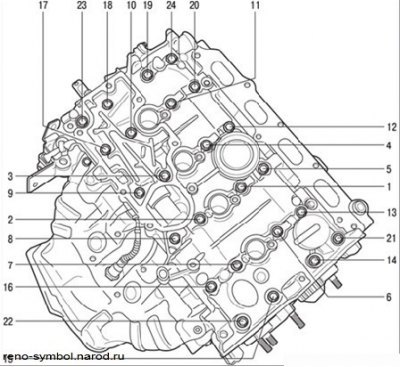
Figure 3.26. Cylinder head cover bolt tightening sequence
(You can find the original at this link: renaultbook.ru)
- install the cylinder head cover and tighten its mounting bolts in the sequence shown in Figure 3.26. Tightening torques are given in Table 3.1;
Table 3.1 Torques and tightening sequence of cylinder head cover bolts
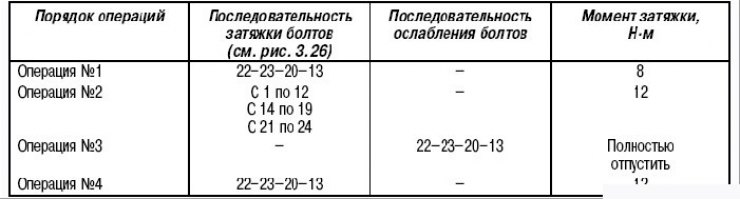
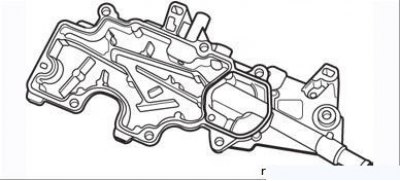
Figure 3.27. The mating surface of the oil separator, to which the sealant is applied
- make sure the mating surfaces of the oil separator and cylinder head are clean, dry and free of grease (especially avoid touching them with your fingers to avoid leaving grease marks). Using a roller, apply Loctite 518 sealant to the surface of the oil separator until it turns a reddish color (Figure 3.27);
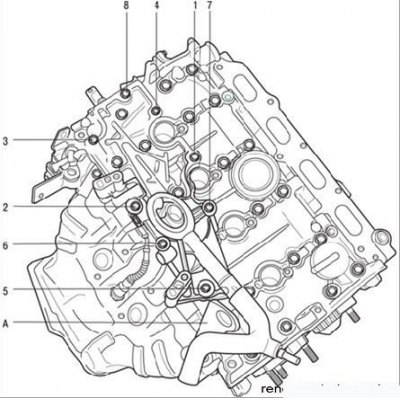
Figure 3.28. Sequence of tightening the oil separator mounting bolts: A – lifting eye
- install the oil separator, tightening its mounting bolts to the specified torque, and the lifting eye (Figure 3.28);
- perform the remaining operations in the reverse order of removal;
- fill the engine with oil and coolant, start the engine, make sure it is working properly and there are no oil or fluid leaks.