Share with friends:
Car engine power system Renault Symbol 1

General information about the power system
The fuel system includes a fuel tank located at the rear of the vehicle, an electric fuel pump built into the tank (submerged in fuel), fuel filter and piping system. The system also includes an electronic control unit...
The fuel system includes a fuel tank located at the rear of the vehicle, an electric fuel pump built into the tank (submerged in fuel), fuel filter and piping system. The system also includes an electronic control unit...

Removing fuel pressure in the injection system
When the ignition is turned on or when the engine is running, the fuel pump creates a gasoline pressure in the system that reaches 3 bar. The pressure in the system remains for some time after the ignition is turned...
When the ignition is turned on or when the engine is running, the fuel pump creates a gasoline pressure in the system that reaches 3 bar. The pressure in the system remains for some time after the ignition is turned...

Removal and installation of the fuel pump
Withdrawal procedure: relieve pressure in the power supply system; remove the wire from the negative terminal of the battery; raise the back seat; remove the metal hatch cover in the rear floor to gain access to the...
Withdrawal procedure: relieve pressure in the power supply system; remove the wire from the negative terminal of the battery; raise the back seat; remove the metal hatch cover in the rear floor to gain access to the...

Removal, installation and adjustment of the throttle cable
Withdrawal procedure: Pic. 3.100. intake muffler (arrow): 1 - inlet of the crankcase ventilation system remove the air filter and intake silencer (pic. 3.100); Pic. 3.101. Detachment of the cable from the sector on the...
Withdrawal procedure: Pic. 3.100. intake muffler (arrow): 1 - inlet of the crankcase ventilation system remove the air filter and intake silencer (pic. 3.100); Pic. 3.101. Detachment of the cable from the sector on the...

Removal and installation of the throttle body
Withdrawal procedure: relieve fuel pressure in the system; disconnect the wire from the negative terminal of the battery; remove the air filter; disconnect the throttle cable from the sector; disconnect the connector on...
Withdrawal procedure: relieve fuel pressure in the system; disconnect the wire from the negative terminal of the battery; remove the air filter; disconnect the throttle cable from the sector; disconnect the connector on...

Removal and installation of the fuel distribution rail
Pic. 3.104. Removing the fuel rail: 1 - fitting of the fuel supply pipeline; 2 - contact connectors for injectors; 3 – a contact socket of the gauge of a detonation; 4 – ramp fastening bolts When working, be guided by...
Pic. 3.104. Removing the fuel rail: 1 - fitting of the fuel supply pipeline; 2 - contact connectors for injectors; 3 – a contact socket of the gauge of a detonation; 4 – ramp fastening bolts When working, be guided by...
Checking the supply of the fuel pump
Operating procedure: relieve fuel pressure in the system; raise the back seat; remove the metal hatch cover in the rear floor to gain access to the fuel pump cover ( see fig. 3.98 ); reinstall the fuel pump relay;...
Operating procedure: relieve fuel pressure in the system; raise the back seat; remove the metal hatch cover in the rear floor to gain access to the fuel pump cover ( see fig. 3.98 ); reinstall the fuel pump relay;...

Fuel pressure test
Operating procedure: remove the protective casing of the fuel distribution rail; relieve fuel pressure in the system; Pic. 3.105. Fuel pressure gauge: 1 - fuel supply pipeline; 2 - control pressure gauge disconnect the...
Operating procedure: remove the protective casing of the fuel distribution rail; relieve fuel pressure in the system; Pic. 3.105. Fuel pressure gauge: 1 - fuel supply pipeline; 2 - control pressure gauge disconnect the...
Removal and installation of the idle speed regulator
Withdrawal procedure: disconnect the contact connector of the stepper motor of the regulator; remove the crankcase ventilation hose; Remove the three regulator mounting bolts. Installation is carried out in the reverse...
Withdrawal procedure: disconnect the contact connector of the stepper motor of the regulator; remove the crankcase ventilation hose; Remove the three regulator mounting bolts. Installation is carried out in the reverse...

Fuel supply switch in case of collision
The switch is designed to prevent the occurrence of a fire due to the leakage of fuel during a collision. Upon impact, all mechanisms for supplying fuel from the tank are disabled. They are brought into working...
The switch is designed to prevent the occurrence of a fire due to the leakage of fuel during a collision. Upon impact, all mechanisms for supplying fuel from the tank are disabled. They are brought into working...

Removal and installation of sensors of the power supply system
Removal and installation of the top gauge of concentration of oxygen in the fulfilled gases Withdrawal procedure: disconnect the wire from the negative terminal of the battery; remove the air filter housing; Pic. 3.96....
Removal and installation of the top gauge of concentration of oxygen in the fulfilled gases Withdrawal procedure: disconnect the wire from the negative terminal of the battery; remove the air filter housing; Pic. 3.96....
Removal and installation of the electronic control unit (ECU)
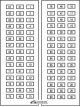
The unit is installed on the left side of the engine compartment behind the battery. Withdrawal procedure: remove the wire from the negative terminal of the battery; disconnect the mount of the power steering reservoir...
The unit is installed on the left side of the engine compartment behind the battery. Withdrawal procedure: remove the wire from the negative terminal of the battery; disconnect the mount of the power steering reservoir...

Removal and installation of an inlet collector
Pic. 3.110. Removing the intake manifold: And – bolts of fastening of the case throttle; 1–7 - the sequence of tightening the mounting bolts When working, be guided by Fig. 3.110. Withdrawal procedure: disconnect the...
Pic. 3.110. Removing the intake manifold: And – bolts of fastening of the case throttle; 1–7 - the sequence of tightening the mounting bolts When working, be guided by Fig. 3.110. Withdrawal procedure: disconnect the...

Removal and installation of a final collector
Pic. 3.111. Removing the exhaust manifold: 1 - oxygen concentration sensor in exhaust gases; 2 - brace Pic. 3.112. Exhaust manifold tightening sequence When working, be guided by Fig. 3.111 and 3.112. remove the heat...
Pic. 3.111. Removing the exhaust manifold: 1 - oxygen concentration sensor in exhaust gases; 2 - brace Pic. 3.112. Exhaust manifold tightening sequence When working, be guided by Fig. 3.111 and 3.112. remove the heat...
Checking and adjusting the injection system
If a malfunction occurs in the fuel injection system, you should first check the reliability of all connectors and connections. Make sure that the air and fuel filters are clean, that the crankcase ventilation hoses and...
If a malfunction occurs in the fuel injection system, you should first check the reliability of all connectors and connections. Make sure that the air and fuel filters are clean, that the crankcase ventilation hoses and...
This section is available on: russian, bulgarian, belarusian, ukrainian, serbian, croatian, romanian, polish, slovak, hungarian
Other sections on other Renault models
➽ Power unit: Fuel system Renault Duster 1 (2009-2017)
➽ Power unit: Fuel system Renault Fluence 1 (2009-2020, petrol)
➽ Power unit: Fuel system (diesel) Renault Laguna 2 (2001-2007)
➽ Power unit: Power and exhaust system Renault Logan 1 (2004-2012, petrol)
➽ Power unit: Fuel system Renault Megan 2 (2002-2009, petrol)
➽ Power unit: Fuel system Renault Scenic 1 (1996-2003)
➽ Power unit: Diesel fuel system Renault Espace I and II (1984-1996)
Link to this section in different formats
TEXTHTMLBB Code
- General information
- User manual
- Maintenance
- Power unit
- Engine repair
- Cooling system
- Fuel system
- Exhaust system
- Ignition system
- Transmission
- Clutch
- Mechanical gearbox
- Automatic gearbox
- Drive shafts
- Chassis, running gear
- Front suspension
- Rear suspension
- Steering
- Brake system
- Body and interior
- Exterior (external elements)
- Interior (internal elements)
- Doors, locks and windows
- Heating and ventilation
- Electrical equipment
- Equipment and devices
- Headlights and lighting
- Power devices
- Electrical circuits
- General information
- User manual
- Car care
- Maintenance
- Power unit
- Engine repair
- Cooling and lubrication system
- Supply system
- Exhaust system
- Ignition system
- Transmission
- Clutch
- Mechanical gearbox
- Automatic gearbox
- Drive shafts
- Chassis, running gear
- Car suspension
- Steering
- Brake system
- Body and interior
- Exterior (external elements)
- Interior (internal elements)
- Doors, locks and windows
- Restoration and repair
- Electrical equipment
- Equipment and devices
- Headlights and lighting
- Power devices
- Heating and ventilation
- Electrical circuits
RenaultBook.ru © 2018–2024 | Mobile version | News and articles | Sitemap: EN BG BY UA RS HR RO PL SK HU | Administration | Site search | Bookmark
Duster 1 (2009-2017) | Fluence 1 (2009-2020, petrol) | Kangoo 1 (1997-2007) | Laguna 2 (2001-2007) | Logan 1 (2004-2012, petrol) | Logan 2 (2012-2020) | Megane 1 (1995-2002) | Megan 2 (2002-2009, petrol) | Scenic 1 (1996-2003) | Symbol 1 (1999-2008, petrol) | Symbol 2 (2008-2013, petrol) | Renault 19 (1988-1996) | Espace I and II (1984-1996) | Espace III (1996-2002) |