Share with friends:

Brake system of the car Renault Megane 2
General information about the brake system
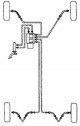
The vehicle is equipped with two diagonal brake circuits. One circuit uses the front right and rear left wheels, the second circuit uses the front left and rear right wheels. When only one of the circuits is working,...
The vehicle is equipped with two diagonal brake circuits. One circuit uses the front right and rear left wheels, the second circuit uses the front left and rear right wheels. When only one of the circuits is working,...

Intervals for changing brake fluid
As the brake pads wear, the level of brake fluid in the reservoir gradually decreases. There is no need to compensate for this drop: the level will be restored at the next brake pad change. At the same time, the level...
As the brake pads wear, the level of brake fluid in the reservoir gradually decreases. There is no need to compensate for this drop: the level will be restored at the next brake pad change. At the same time, the level...

Removal of air from the hydraulic drive of the working brake system
Use only fresh DOT 3 or DOT 4 brake fluid. Bleeding from the hydraulic drive of the working brake system is necessary to remove air, which significantly reduces the braking efficiency. Air can get into the hydraulic...
Use only fresh DOT 3 or DOT 4 brake fluid. Bleeding from the hydraulic drive of the working brake system is necessary to remove air, which significantly reduces the braking efficiency. Air can get into the hydraulic...
Bleeding the pressure control circuit
This operation is performed after removing or replacing one of the following items: master brake cylinder; hydroblock; brake fluid; hydraulic brake reservoir. Place the car on a two post lift. Connect: a device for...
This operation is performed after removing or replacing one of the following items: master brake cylinder; hydroblock; brake fluid; hydraulic brake reservoir. Place the car on a two post lift. Connect: a device for...

Removal and installation of the main brake cylinder
Removing Place the car on a two post lift. Disconnect the battery. Remove: wiper arms; air intake grille; Pic. 6.9. Removing the air filter access panel fasteners: 1 - fastening bolts Loosen the bolts securing the air...
Removing Place the car on a two post lift. Disconnect the battery. Remove: wiper arms; air intake grille; Pic. 6.9. Removing the air filter access panel fasteners: 1 - fastening bolts Loosen the bolts securing the air...

Check, removal and installation of the vacuum amplifier of brakes
The operation of the vacuum brake booster, located on the engine shield, is based on the use of intake manifold vacuum and atmospheric air pressure. After completing each operation, which included the removal of any of...
The operation of the vacuum brake booster, located on the engine shield, is based on the use of intake manifold vacuum and atmospheric air pressure. After completing each operation, which included the removal of any of...
Checking the check valve of the vacuum brake booster
Check on the non-return valve installed in the vacuum hose. Remove the brake booster vacuum hose. Note. The non-return valve is installed with an interference fit in the vacuum hose according to the alignment marks....
Check on the non-return valve installed in the vacuum hose. Remove the brake booster vacuum hose. Note. The non-return valve is installed with an interference fit in the vacuum hose according to the alignment marks....

Removal and installation of the brake booster check valve
Removing Remove the engine top covers. Pic. 6.26. Removing the duct: 1 - fastening clamps; 2 - air duct Loosen the air duct clamps and remove it (pic. 6.26). Pic. 6.27. Disconnecting the vacuum inspection hose from the...
Removing Remove the engine top covers. Pic. 6.26. Removing the duct: 1 - fastening clamps; 2 - air duct Loosen the air duct clamps and remove it (pic. 6.26). Pic. 6.27. Disconnecting the vacuum inspection hose from the...

Removing and installing the brake pedal (with automatic transmission)
Removing the pedal Pic. 6.37. Removing the glove box and headlight range control switch: 1 - glove box; 2 – the switch of the corrector of the direction of light of headlights Disconnect the glove box, rear headlight...
Removing the pedal Pic. 6.37. Removing the glove box and headlight range control switch: 1 - glove box; 2 – the switch of the corrector of the direction of light of headlights Disconnect the glove box, rear headlight...

Removal and installation of the brake light switch
Removing Disconnect the brake light switch connector. Pic. 6.48. Removing the brake light switch: 1 – switch connector; 2 - switch Turn the brake light switch a quarter of a turn counterclockwise (pic. 6.48). Note....
Removing Disconnect the brake light switch connector. Pic. 6.48. Removing the brake light switch: 1 – switch connector; 2 - switch Turn the brake light switch a quarter of a turn counterclockwise (pic. 6.48). Note....

Checking the parking brake cable
Examination Place the car on a lift. Pic. 6.50. Checking the parking brake cable with booster Check the position of the power parking brake cable (pic. 6.50). If the power parking brake cable is secured, install the...
Examination Place the car on a lift. Pic. 6.50. Checking the parking brake cable with booster Check the position of the power parking brake cable (pic. 6.50). If the power parking brake cable is secured, install the...

Removal and installation of a cable of a drive of a parking brake
(vehicles without automatic parking brake) Removing Place the car on a two post lift. Pic. 6.53. Removing the center console mat: 1 - rug Remove the center console mat (pic. 6.53). Pic. 6.54. Removing the center...
(vehicles without automatic parking brake) Removing Place the car on a two post lift. Pic. 6.53. Removing the center console mat: 1 - rug Remove the center console mat (pic. 6.53). Pic. 6.54. Removing the center...

Removal and installation of front brake pads
Removing Place the car on a two post lift. Unlock the steering wheel. Remove the front wheels. Pic. 6.59. Removing the spring and brake hose: 1 - spring; 2 - brake hose Remove the spring from the front of the caliper...
Removing Place the car on a two post lift. Unlock the steering wheel. Remove the front wheels. Pic. 6.59. Removing the spring and brake hose: 1 - spring; 2 - brake hose Remove the spring from the front of the caliper...

Removal and installation of a hose of the forward brake mechanism
Removing Attention! Collect brake fluid to prevent damage to mechanical parts and body parts located near brake system components. Pic. 6.62. brake hose Install a pressurizer on the brake pedal to reduce the amount of...
Removing Attention! Collect brake fluid to prevent damage to mechanical parts and body parts located near brake system components. Pic. 6.62. brake hose Install a pressurizer on the brake pedal to reduce the amount of...

Removing and installing the front brake caliper
Note. When replacing the brake pads or brake disc, be sure to replace the pads or disc on the other side of the vehicle. Removing Place the car on a two post lift. Install a pressurizer on the brake pedal to reduce the...
Note. When replacing the brake pads or brake disc, be sure to replace the pads or disc on the other side of the vehicle. Removing Place the car on a two post lift. Install a pressurizer on the brake pedal to reduce the...

Guide of the front brake pads
Removing Place the car on a two post lift. Remove the front wheels. Pic. 6.65. Removing the fastening of the guide pins and guide blocks: 1 - fastening bolts; 2 – bolts of fastening of directing pads Loosen the guide...
Removing Place the car on a two post lift. Remove the front wheels. Pic. 6.65. Removing the fastening of the guide pins and guide blocks: 1 - fastening bolts; 2 – bolts of fastening of directing pads Loosen the guide...

Front brake disc
Removing Note. Brake discs cannot be sanded. If there is significant wear or deep scratches, replace the discs. Note. When replacing brake discs, replace them complete with brake pads. Place the car on a two post lift....
Removing Note. Brake discs cannot be sanded. If there is significant wear or deep scratches, replace the discs. Note. When replacing brake discs, replace them complete with brake pads. Place the car on a two post lift....

Removal and installation of rear brake pads
Visual check of pad thickness Check pad thickness. To do this, raise the car, remove the wheel and look through the inspection hole in the cylinder body. Minimum thickness of brake pads: 1 mm. Limit wear: 2.0 mm....
Visual check of pad thickness Check pad thickness. To do this, raise the car, remove the wheel and look through the inspection hole in the cylinder body. Minimum thickness of brake pads: 1 mm. Limit wear: 2.0 mm....

Removal and installation of a bracket of the back brake mechanism
Note. When replacing the brake pads or brake disc, be sure to replace the pads or disc on the other side of the vehicle. Removing Place the car on a two post lift. Install a pressurizer on the brake pedal to reduce the...
Note. When replacing the brake pads or brake disc, be sure to replace the pads or disc on the other side of the vehicle. Removing Place the car on a two post lift. Install a pressurizer on the brake pedal to reduce the...

Guide of the rear brake pads
Removing Place the car on a two post lift. Release the parking brake. Remove the rear wheel. Release the parking brake cable. Mark the cable route for subsequent installation. Turn away bolts of fastening of directing...
Removing Place the car on a two post lift. Release the parking brake. Remove the rear wheel. Release the parking brake cable. Mark the cable route for subsequent installation. Turn away bolts of fastening of directing...

Removal and installation of the rigid brake pipeline
Removing Place the car on a two post lift. Install a pressurizer on the brake pedal to reduce the amount of brake fluid escaping. Raise the vehicle. Rigid pipe left rear brake Pic. 6.75. Releasing the fastening of the...
Removing Place the car on a two post lift. Install a pressurizer on the brake pedal to reduce the amount of brake fluid escaping. Raise the vehicle. Rigid pipe left rear brake Pic. 6.75. Releasing the fastening of the...

Brake disc of the rear brake mechanism
Removing Note. Brake discs cannot be sanded. If there is significant wear or deep scratches, replace the discs. Note. When replacing brake discs, replace them complete with brake pads. Place the car on a two post lift....
Removing Note. Brake discs cannot be sanded. If there is significant wear or deep scratches, replace the discs. Note. When replacing brake discs, replace them complete with brake pads. Place the car on a two post lift....

Anti-Lock Braking System (ABS)
General information The car is equipped with ABS BOSCH 8.0 system. Depending on the vehicle equipment level, the BOSCH 8.0 system includes only ABS brakes or ABS combined with a trajectory stabilization system (SST)....
General information The car is equipped with ABS BOSCH 8.0 system. Depending on the vehicle equipment level, the BOSCH 8.0 system includes only ABS brakes or ABS combined with a trajectory stabilization system (SST)....

Removal and installation of the hydraulic block
Removing Place the car on a two post lift. Disconnect the battery. Install a tool on the brake pedal to reduce the amount of brake fluid escaping. Drain the refrigerant from the refrigeration circuit. Remove the engine...
Removing Place the car on a two post lift. Disconnect the battery. Install a tool on the brake pedal to reduce the amount of brake fluid escaping. Drain the refrigerant from the refrigeration circuit. Remove the engine...

Removal and installation of the sensor of angular and transverse acceleration
Removing Disconnect the battery. Pic. 6.96. Removing drawer frame fasteners Detach the drawer frame by depressing the spring clips (pic. 6.96). Pic. 6.97. Removing the drawer: 1 - spring latch Remove the drawer by...
Removing Disconnect the battery. Pic. 6.96. Removing drawer frame fasteners Detach the drawer frame by depressing the spring clips (pic. 6.96). Pic. 6.97. Removing the drawer: 1 - spring latch Remove the drawer by...

Removal and installation of the ABS computer
Removing Place the car on a two post lift. Remove the hydroblock assembly. Pic. 6.99. Removing the ECU: 1 - fastening bolts; 2 - ECU case Loosen the ECU mounting bolts on the pressure control unit and remove the ECU...
Removing Place the car on a two post lift. Remove the hydroblock assembly. Pic. 6.99. Removing the ECU: 1 - fastening bolts; 2 - ECU case Loosen the ECU mounting bolts on the pressure control unit and remove the ECU...
Deciphering the designations of the circuit diagram of the electric pump
Table 6.2. Deciphering the designations of the circuit diagram of the electric pump Designation Hydraulic Inputs 1 Brake pressure from brake master cylinder 2 Combined angular and lateral acceleration sender signal 3...
Table 6.2. Deciphering the designations of the circuit diagram of the electric pump Designation Hydraulic Inputs 1 Brake pressure from brake master cylinder 2 Combined angular and lateral acceleration sender signal 3...
Possible malfunctions of the brake system
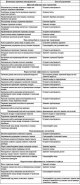
Table 6.4. Possible malfunctions, their causes and remedies
Table 6.4. Possible malfunctions, their causes and remedies
This section is available on: russian, bulgarian, belarusian, ukrainian, serbian, croatian, romanian, polish, slovak, hungarian
Other sections on other Renault models
➽ Chassis, running gear: Brake system Renault Fluence 1 (2009-2020, petrol)
➽ Chassis, running gear: Brake system Renault Kangoo 1 (1997-2007)
➽ Chassis, running gear: Brake system Renault Laguna 2 (2001-2007)
➽ Chassis, running gear: Brake system Renault Logan 1 (2004-2012, petrol)
➽ Chassis, running gear: Brake system Renault Scenic 1 (1996-2003)
➽ Chassis, running gear: Brake system Renault Symbol 1 (1999-2008, petrol)
➽ Chassis, running gear: Brake system Renault 19 (1988-1996)
Link to this section in different formats
TEXTHTMLBB Code
- User manual
- Introduction to manual
- Controls and instruments
- Salon equipment
- Operation and driving
- Maintenance and care
- Power unit
- Engine repair
- Fuel system
- Injection system
- Intake and exhaust system
- Starting and charging system
- Cooling system
- Decreased toxicity
- Transmission
- Clutch
- Mechanical gearbox
- Automatic gearbox
- Wheel drive mechanism
- Chassis, running gear
- Suspension and wheels
- Steering
- Brake system
- Body and interior
- Exterior (external elements)
- Interior (internal elements)
- Doors, locks and windows
- Heating and air conditioning
- Electrical equipment
- Equipment and devices
- Headlights and lighting
- Electrical circuits
- General information
- User manual
- Maintenance
- Power unit
- Petrol engines 1.4/1.6 l
- Petrol engines 2.0 l
- Diesel engines 1.9 l
- Overhaul of engines
- Cooling system
- Fuel system (petrol)
- Fuel system (diesel)
- Decreased toxicity
- Charge and launch systems
- Ignition system (petrol)
- Preheat system (diesel)
- Transmission
- Clutch
- Mechanical gearbox
- Automatic gearbox
- Drive shafts
- Chassis, running gear
- Brake system
- Car suspension
- Steering
- Body and interior
- Exterior (external elements)
- Interior (internal elements)
- Doors, locks and windows
- Electrical equipment
- Equipment and devices
- Electrical circuits
RenaultBook.ru © 2018–2024 | Mobile version | News and articles | Sitemap: EN BG BY UA RS HR RO PL SK HU | Administration | Site search | Bookmark
Duster 1 (2009-2017) | Fluence 1 (2009-2020, petrol) | Kangoo 1 (1997-2007) | Laguna 2 (2001-2007) | Logan 1 (2004-2012, petrol) | Logan 2 (2012-2020) | Megane 1 (1995-2002) | Megan 2 (2002-2009, petrol) | Scenic 1 (1996-2003) | Symbol 1 (1999-2008, petrol) | Symbol 2 (2008-2013, petrol) | Renault 19 (1988-1996) | Espace I and II (1984-1996) | Espace III (1996-2002) |