Share with friends:

Car engine repair Renault Logan 1

Description of the engine design
Renault Logan cars are equipped with transverse four-cylinder four-stroke petrol injection 8-valve engines with a working volume of 1.4 and 1.6 liters mod. K7J710 and K7M710 (both SOHC engines) respectively. 5.1. Engine...
Renault Logan cars are equipped with transverse four-cylinder four-stroke petrol injection 8-valve engines with a working volume of 1.4 and 1.6 liters mod. K7J710 and K7M710 (both SOHC engines) respectively. 5.1. Engine...
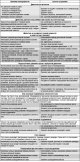
Possible engine malfunctions
Possible engine malfunctions, their causes and remedies
Possible engine malfunctions, their causes and remedies

Useful tips for engine diagnostics
With a certain skill and care, many malfunctions of the engine and its systems can be quite accurately determined by the color of the smoke coming out of the exhaust pipe. Blue smoke indicates that oil has entered the...
With a certain skill and care, many malfunctions of the engine and its systems can be quite accurately determined by the color of the smoke coming out of the exhaust pipe. Blue smoke indicates that oil has entered the...

Cylinder compression check
Compression (pressure at the end of the compression stroke) in cylinders - the most important indicator for diagnosing the condition of the engine without disassembling it. By its average value and by the difference in...
Compression (pressure at the end of the compression stroke) in cylinders - the most important indicator for diagnosing the condition of the engine without disassembling it. By its average value and by the difference in...

Removal and installation of mudguards and engine crankcase protection
Mudguards of the engine, located in the engine compartment from below and on the sides, protect the engine compartment from contamination and are not power protection for the engine crankcase. To protect the engine...
Mudguards of the engine, located in the engine compartment from below and on the sides, protect the engine compartment from contamination and are not power protection for the engine crankcase. To protect the engine...

Replacement of the right support of a suspension bracket of the power unit
You will need: keys «on 10», «at 13», socket wrench «at 16». 1. Remove the crankcase protection (see «Removal and installation of mudguards and engine crankcase protection» ). 2. Place a support under the engine...
You will need: keys «on 10», «at 13», socket wrench «at 16». 1. Remove the crankcase protection (see «Removal and installation of mudguards and engine crankcase protection» ). 2. Place a support under the engine...

Replacement of the left support of a suspension bracket of the power unit
You will need a socket wrench «at 16». 1. Remove the battery (see «Removing and installing the battery» ). 2. Remove the crankcase protection (see «Removal and installation of mudguards and engine crankcase protection»...
You will need a socket wrench «at 16». 1. Remove the battery (see «Removing and installing the battery» ). 2. Remove the crankcase protection (see «Removal and installation of mudguards and engine crankcase protection»...

Replacing the rear support suspension of the power unit
You will need a socket wrench «at 18». 1. Remove the crankcase protection (see «Removal and installation of mudguards and engine crankcase protection» ). 2. Turn out two bolts of fastening of an arm of a back support of...
You will need a socket wrench «at 18». 1. Remove the crankcase protection (see «Removal and installation of mudguards and engine crankcase protection» ). 2. Turn out two bolts of fastening of an arm of a back support of...

Setting the piston of the first cylinder to the TDC position of the compression stroke
The piston of the 1st cylinder is set to the TDC position (top dead center) compression stroke so that when carrying out work related to the removal of the camshaft drive belt, the installation of the valve timing is...
The piston of the 1st cylinder is set to the TDC position (top dead center) compression stroke so that when carrying out work related to the removal of the camshaft drive belt, the installation of the valve timing is...

Replacing and adjusting the belt tension, replacing the timing belt tensioner pulley
At each maintenance check the degree of tension of the timing belt. If necessary, adjust the tension, since when the belt is loose, its teeth wear out quickly and, in addition, the belt may jump on the toothed pulleys...
At each maintenance check the degree of tension of the timing belt. If necessary, adjust the tension, since when the belt is loose, its teeth wear out quickly and, in addition, the belt may jump on the toothed pulleys...

Valve clearance adjustment
To compensate for the thermal expansion of the valve, a gap between the end of the valve stem and the adjusting bolt screwed into one of the arms of the rocker arm of the valve actuator is structurally set. With an...
To compensate for the thermal expansion of the valve, a gap between the end of the valve stem and the adjusting bolt screwed into one of the arms of the rocker arm of the valve actuator is structurally set. With an...

Removal, installation and troubleshooting of the flywheel
The flywheel is removed to replace the crankshaft rear oil seal, to replace it if the gear rim is damaged, which serves to start the engine with a starter, and to grind the surface for the clutch disc. You will need:...
The flywheel is removed to replace the crankshaft rear oil seal, to replace it if the gear rim is damaged, which serves to start the engine with a starter, and to grind the surface for the clutch disc. You will need:...

Replacing the cylinder head cover gasket
If oil leakage from under the cylinder head cover could not be eliminated by tightening the cover bolts, replace its gasket. You will need: tools needed to remove the air filter, ignition module, and a TORX T50 wrench....
If oil leakage from under the cylinder head cover could not be eliminated by tightening the cover bolts, replace its gasket. You will need: tools needed to remove the air filter, ignition module, and a TORX T50 wrench....

Replacement of valve stem seals
An external sign of wear on the valve stem seals is the short-term appearance of blue smoke from the exhaust pipe after starting the engine, as well as when braking the engine after a long drive under load. In this...
An external sign of wear on the valve stem seals is the short-term appearance of blue smoke from the exhaust pipe after starting the engine, as well as when braking the engine after a long drive under load. In this...

Replacing the cylinder head gasket
If a leak of engine oil or coolant is detected at the junction of the block head with the cylinder block, remove the head and replace its gasket. A leak can also occur due to warping of the block head due to...
If a leak of engine oil or coolant is detected at the junction of the block head with the cylinder block, remove the head and replace its gasket. A leak can also occur due to warping of the block head due to...

Camshaft oil seal replacement
If traces of oil leakage through the camshaft oil seal are found, first check if the crankcase ventilation system is clogged and if the hoses of this system are pinched, if necessary, eliminate the malfunctions. If oil...
If traces of oil leakage through the camshaft oil seal are found, first check if the crankcase ventilation system is clogged and if the hoses of this system are pinched, if necessary, eliminate the malfunctions. If oil...

Replacing the crankshaft seals
If traces of oil leakage through the crankshaft seals are found, first check if the crankcase ventilation system is clogged and if the hoses of this system are pinched, if necessary, repair the malfunctions. If the oil...
If traces of oil leakage through the crankshaft seals are found, first check if the crankcase ventilation system is clogged and if the hoses of this system are pinched, if necessary, repair the malfunctions. If the oil...

Replacing the oil pan gasket
If oil leakage through the oil sump seal cannot be eliminated by tightening the oil sump bolts, then the seal is severely deformed and must be replaced. Work on a ditch, overpass or, if possible, on a lift. You will...
If oil leakage through the oil sump seal cannot be eliminated by tightening the oil sump bolts, then the seal is severely deformed and must be replaced. Work on a ditch, overpass or, if possible, on a lift. You will...

Replacing the oil level guide seal
The tubular guide of the oil level indicator is sealed in the cylinder block with a rubber ring. In the event of an oil leak at the seal, replace this ring. You will need: key «on 10» (more comfortable socket head),...
The tubular guide of the oil level indicator is sealed in the cylinder block with a rubber ring. In the event of an oil leak at the seal, replace this ring. You will need: key «on 10» (more comfortable socket head),...

Replacing the intake pipe seal
Four molded gaskets are installed between the flanges of the cylinder head and the intake pipe. If these seals fail, the engine will run unevenly («troit»). If it is not possible to eliminate the malfunction by...
Four molded gaskets are installed between the flanges of the cylinder head and the intake pipe. If these seals fail, the engine will run unevenly («troit»). If it is not possible to eliminate the malfunction by...

Exhaust manifold gasket replacement
Between the flanges of the cylinder head and the exhaust manifold, a sealing gasket a made of a thin molded metal strip is installed. In case of violation of the tightness of this gasket, the exhaust gases break out,...
Between the flanges of the cylinder head and the exhaust manifold, a sealing gasket a made of a thin molded metal strip is installed. In case of violation of the tightness of this gasket, the exhaust gases break out,...

Camshaft Replacement
The camshaft is replaced in the following cases: the pressure in the engine lubrication system has dropped. The cause of this malfunction is often increased wear on the camshaft journals and the camshaft bearing...
The camshaft is replaced in the following cases: the pressure in the engine lubrication system has dropped. The cause of this malfunction is often increased wear on the camshaft journals and the camshaft bearing...

Dismantling, repair and assembly of the cylinder head
If repair is necessary for the cylinder head of the engine installed on the vehicle, remove it (see «Replacing the cylinder head gasket» ). In most cases, the repair of the cylinder head consists of lapping or replacing...
If repair is necessary for the cylinder head of the engine installed on the vehicle, remove it (see «Replacing the cylinder head gasket» ). In most cases, the repair of the cylinder head consists of lapping or replacing...

Lapping of valves
The valves are lapped on the removed cylinder head. To remove the valves from the guide bushings of the cylinder head, it is necessary to remove the valve springs by compressing them with a special tool and removing...
The valves are lapped on the removed cylinder head. To remove the valves from the guide bushings of the cylinder head, it is necessary to remove the valve springs by compressing them with a special tool and removing...

Removal and installation of the engine
Remove the engine and transmission assembly by lowering it down from the engine compartment. This requires a lift to raise the front of the car higher. In a garage environment without a lift, you will need a jack, as...
Remove the engine and transmission assembly by lowering it down from the engine compartment. This requires a lift to raise the front of the car higher. In a garage environment without a lift, you will need a jack, as...
This section is available on: russian, bulgarian, belarusian, ukrainian, serbian, croatian, romanian, polish, slovak, hungarian
Other sections on other Renault models
➽ Power unit: Engine repair Renault Fluence 1 (2009-2020, petrol)
➽ Power unit: Engine repair Renault Laguna 2 (2001-2007)
➽ Power unit: Engine repair Renault Megan 2 (2002-2009, petrol)
➽ Power unit: Engine repair Renault Scenic 1 (1996-2003)
➽ Power unit: Engine repair Renault Symbol 2 (2008-2013, petrol)
➽ Power unit: Engine repair Renault Espace I and II (1984-1996)
Link to this section in different formats
TEXTHTMLBB Code
- General information
- Faults en route
- Daily checks
- Governing bodies
- Maintenance
- Power unit
- Petrol engines 1.2 l
- Petrol engines 1.6 l
- Diesel engines 1.5 l
- Cooling system
- Lubrication system
- Power and control system
- Intake and exhaust system
- Engine electrical equipment
- Transmission
- Clutch
- Car gearbox
- Drive shafts
- Chassis, running gear
- Suspension and wheels
- Brake system
- Steering
- Body and interior
- Exterior (external elements)
- Interior (internal elements)
- Safety system
- Heating and air conditioning
- Electrical equipment
- Equipment and devices
- Wiring diagrams (sedan)
- Wiring diagrams (wagon)
- General information
- Vehicle device
- User manual
- Faults en route
- Daily maintenance
- First maintenance
- Second maintenance
- Driver tips
- Power unit
- Engine repair
- Lubrication system
- Cooling system
- Power and exhaust system
- Transmission
- Clutch
- Car gearbox
- Drive shafts
- Chassis, running gear
- Front suspension
- Rear suspension
- Steering
- Brake system
- Wheels and tires
- Body and interior
- Exterior (external elements)
- Interior (internal elements)
- Doors, locks and windows
- Body Care
- Electrical equipment
- Equipment and devices
- Headlights and lighting
- Power devices
- Electrical circuits
RenaultBook.ru © 2018–2024 | Mobile version | News and articles | Sitemap: EN BG BY UA RS HR RO PL SK HU | Administration | Site search | Bookmark
Duster 1 (2009-2017) | Fluence 1 (2009-2020, petrol) | Kangoo 1 (1997-2007) | Laguna 2 (2001-2007) | Logan 1 (2004-2012, petrol) | Logan 2 (2012-2020) | Megane 1 (1995-2002) | Megan 2 (2002-2009, petrol) | Scenic 1 (1996-2003) | Symbol 1 (1999-2008, petrol) | Symbol 2 (2008-2013, petrol) | Renault 19 (1988-1996) | Espace I and II (1984-1996) | Espace III (1996-2002) |