



General description
To comply with Euro 96 standards, ESPACE Turbo Diesel is equipped with the T.R.P - EGR system (preheating and postheating time delay and exhaust gas recirculation control).
The high-pressure fuel pump (HPFP) remained mechanical in general. The electronic unit controls:
- exhaust gas recirculation (EGR) system;
- kSB actuators on high-pressure fuel pumps (cold injection timing advance) and ALFB (adjusting the injection timing advance at low loads and idle);
- glow plugs;
- fast idle control system.
Removal
- Raise the car on a lift so that the wheels hang freely in the air.
- Disconnect the cable from the negative battery terminal.
- Set the piston of the first cylinder to TDC. In this case, the mark on the camshaft pulley will be visible through the window of the timing belt cover (Fig. 3.3).
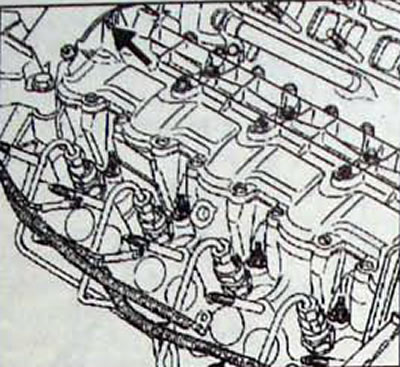
Fig. 3.3. Location of the window through which the TDC mark is visible
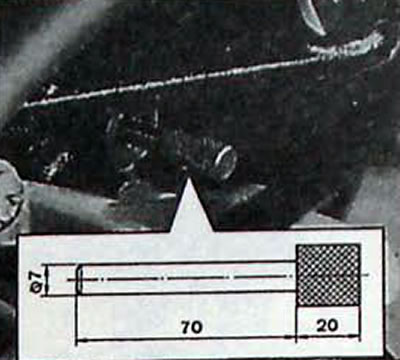
Fig. 3.4. Installation location and dimensions of the Mot. 1318 crankshaft locking device
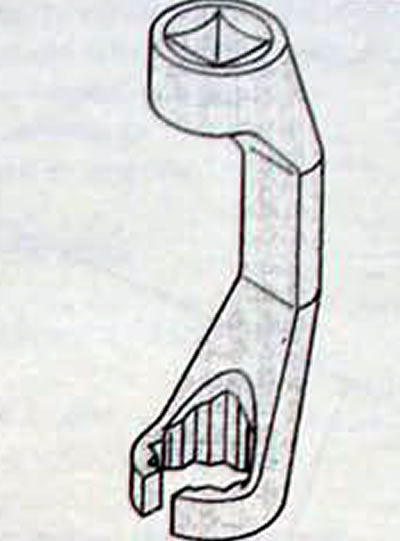
Fig. 3.5 Special key Mot 1383 for removing high pressure pipes
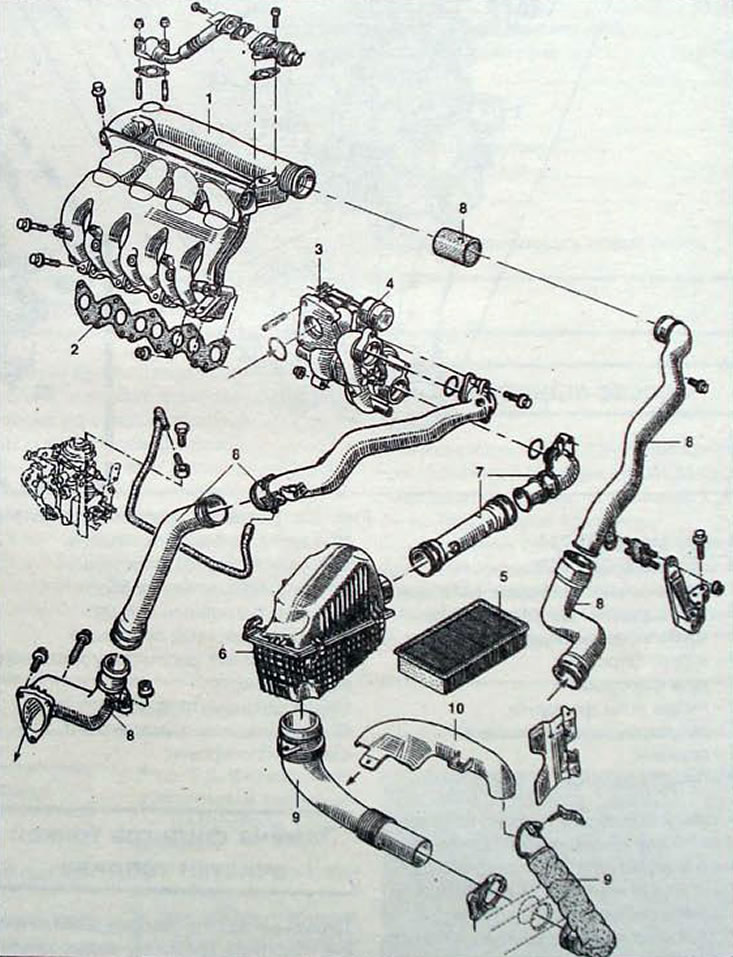
Fig. 3.6. Elements of the air supply system: 1 - intake manifold; 2 - intake manifold gasket; 3 - turbocharger; 4 - air boost pressure control valve; 5 - air filter; 6 - air filter housing; 7 - air pipe for atmospheric air intake; 8 - air branch pipe for supplying compressed air; 9 - Air intake coupling; 10 - Air intake socket
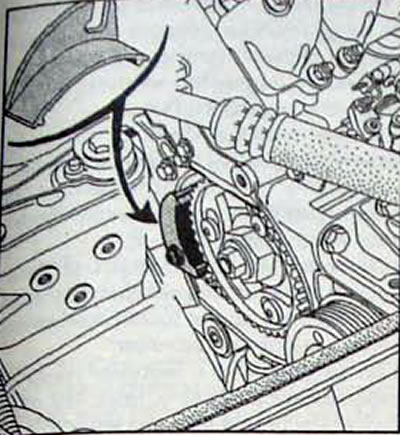
Fig. 3.7. Fitting the Mot 1317 tool to the high pressure fuel pump pulley
- Remove the right front wheel, the plastic mudguard covering the engine and the right front wheel.
- Using tool Mot. 1318 or a steel rod with a diameter of 7 mm, lock the crankshaft by inserting the tool into the hole closed with a plug and located on the cylinder block between the flywheel and the oil filter.
- Remove the power steering fluid reservoir mounting bolt and remove the reservoir.
- Disconnect the accelerator cable and fast idle vacuum line from the high pressure pump.
- Disconnect the fuel supply and return lines from the high pressure pump.
- Disconnect the electrical connectors from the high pressure fuel pump.
- Remove the plastic shield protecting the wiring harness on the intake manifold.
- Using the special key Mot. 1383, disconnect and remove the high pressure pipes.
- Remove the two bolts securing the rear bracket of the high pressure fuel pump to the engine cylinder block.
- Remove the air conditioning hose bracket from the right engine mount.
- Unscrew 2 nuts and remove the fuel filter - booster pump assembly.
- Unscrew 3 bolts and remove the filter bracket.
- On vehicles with air conditioning, remove the plastic protective cover.
- Remove the high pressure pump pulley housing.
Note: Using the Renault Mot. 1317 tool allows you to remove the high pressure fuel pump without removing the timing belt pulley and toothed belt.
- Install tool Mot. 1317, which locks the fuel pump pulley.
- Unscrew the nut (1, Fig. 3.8) fastening the sleeve to the pump, three bolts 2 fastening the sleeve to the pump and three bolts (3) fastening the fuel pump pulley to the sleeve.
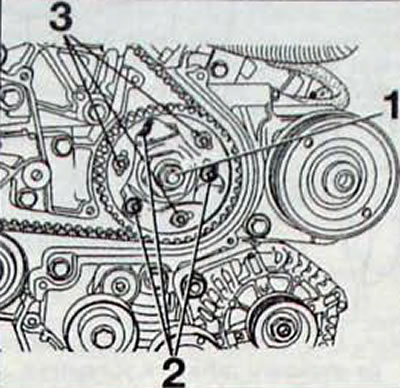
Fig. 3.8. Fastening the fuel pump pulley: 1 - nut; 2 - bolt for fastening the sleeve to the pump; 3 - bolt securing the fuel pump pulley to the bushing
- Install the T.Ar. 1094 tool with three M8x125 bolts and remove the pump bushing from the conical seating surface of the fuel pump shaft.
- Remove the high pressure fuel pump.
- Remove the two bolts and bracket from the rear of the high pressure fuel pump.
Installation
Before installing the fuel pump, rotate the shaft so that the key on the shaft fits into the groove in the pulley. The key should be facing the high pressure outlet of the fuel pump. Use grease to glue the key to the shaft and be careful not to let it fall off when installing the pump.
- Install the pump and tighten the three bolts to the specified torque (2, Fig. 3.8) fastening the sleeve to the pump.
- Screw the nut on (1, Fig. 3.8) bushing mounts and tighten it to the required torque.
- Install the T.Ag. 1094 tool and tighten the three bolts (3) securing the fuel pump pulley to the bushing to the required torque.
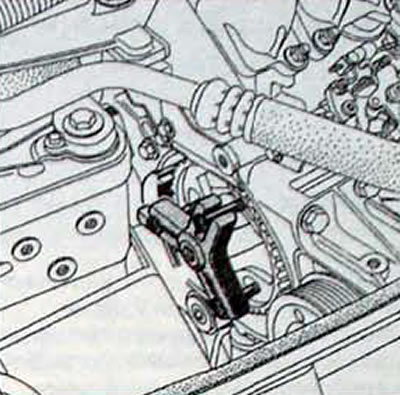
Fig. 3.9. Installation of the T.Ar. 1094 device with three M8x125 bolts
- Remove the crankshaft locking device and close the opening in the cylinder block with a plug.
- Remove tool Mot 1317 high pressure pump pulley support.
- Check the injection timing of the high pressure fuel pump.
- Tighten the three bolts (3) securing the fuel pump pulley to the bushing to the specified torque.
- Turn the engine crankshaft two full revolutions and check the fuel pump injection timing.
- Install the rear fuel pump bracket and tighten the bolts to the specified torque.
- Using the special key Mot. 1383, tighten the high pressure pipes to the fuel injectors.
- Using the special MoL 1383 key, screw the fuel supply and return lines to the fuel pump.
- Connect the electrical connectors to the fuel pump.
- Connect the accelerator cable and fast idle vacuum line to the fuel pump.
- Install the high pressure fuel pump pulley housing.
- On vehicles with air conditioning, install the upper accessory drive belt cover
- Install the fuel filter bracket.
- Install the fuel filter and under the lift pump, while replacing the copper seals of the pipe connections
- On vehicles with air conditioning, install the A/C compressor pipe bracket onto the fuel filter bracket.
- Install the engine control unit and check the wiring harness for proper orientation.
- Install the plastic wire shield on the intake manifold.
- Install the power steering fluid reservoir and secure it with the bolt.
- Remove air from the fuel system
- Connect the cable to the negative terminal of the battery.
- Install the plastic mudguard for the engine and right front wheel and the right front wheel.
- Lower the car.