



Verification procedure:
- place the car on a level horizontal surface, apply the parking brake and stop the engine;
- check and adjust tire pressure;
- in the area of any wheel, shake the body with force and watch its movement. If the body vibrations stop almost immediately, then the suspension shock absorber is working well. If the car continues to swing, then this indicates wear or weakening of the shock absorbers. Check the other shock absorbers in a similar way;
- place the car on a lift or overpass;
- inspect the shock absorbers for signs of hydraulic fluid leakage. A light film of fluid ("film coating") is normal. If a leak is detected on one shock absorber, replace both shock absorbers on the suspension. It is advisable to replace all four shock absorbers at the same time;
- check the lower and upper shock absorber mounting points. Correct any issues identified or replace the shock absorbers;
- inspect the rubber boots of the steering rod ends and the joints of the lower control arms of the front suspension. A ruptured boot causes loss of lubrication, dirt penetration and rapid failure of the unit, so replace the damaged part immediately;
- inspect the power steering hoses, first of all, for signs of fluid leakage, loose fittings and clamps. Eliminate any defects found;
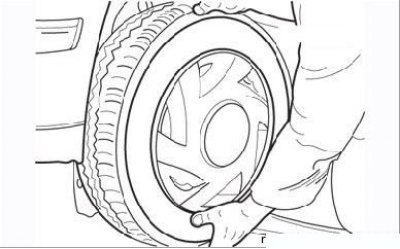
Figure 2.32. Checking the front hub bearing wear
- jack it up (if the car is on the overpass) the front wheel and, applying force to it in the position shown in Figure 2.32, rock it. If significant play is felt, ask an assistant to press the brake pedal and continue rocking the wheel. If the play disappears or becomes significantly smaller, the wheel hub bearing is obviously worn. If the play remains large, the cause is wear of the ball joint and suspension joints;
- without lowering the wheel, rock it, applying force in the horizontal plane. The presence of play indicates wear of the steering and wheel hub bearing;
- using a lever (mounting blade, large screwdriver) swing the suspension arm, anti-roll bar, trying to detect possible wear of the rubber bushings. By visual inspection of the bushings, determine the presence of cracks, delamination and wear;
- check the steering wheel play, for which lower the wheel, set the wheels to the straight-ahead position;
- turn the steering wheel in different directions through the open window. Free play on the steering wheel rim (the wheels are stationary) should be no more than 25 mm;
- if the steering wheel free play is increased, check the steering rods, steering gear and clearances in the front hub bearings.
Material taken from an online portal renaultbook.ru
The rear suspension elements are checked in a similar manner.