



Contents: Removal 🠛 Installation 🠛
Removal
- When removing the gearbox, it is necessary to use the following special tools:
ball joint puller Tav. 476;
punches for knocking out elastic pins Bvi. 31-01.
- Also, when removing the power unit, it is necessary to use the following equipment:
- impact ball joint puller;
- a stand to support the engine;
- jack;
- safety cushions for the levers of a two-post lift
- Place the vehicle on a two-post lift.
- Disconnect the wires from the battery terminals and remove the battery.
- Remove the front wheels.
- Drain the oil from the gearbox.
- Install the drain plug with a new gasket.
- Be sure to install a self-made protective screen on the radiator of the cooling system. To make the screen, use an aluminum or steel sheet with a folded upper edge to hang on the top of the radiator.
- Remove:
- engine sump protection;
- front wheels;
- front right and left wheel arch guards;
- mudguards.
- Remove the power steering line clamps from the engine.
- Loosen the bolt securing the ground busbar to the gearbox.
- Remove the thrust rod.
- Move the boot to the side and disconnect the gear shift rod from the transmission.
- Knock out the elastic pin of the right drive shaft (Fig. 6.8).
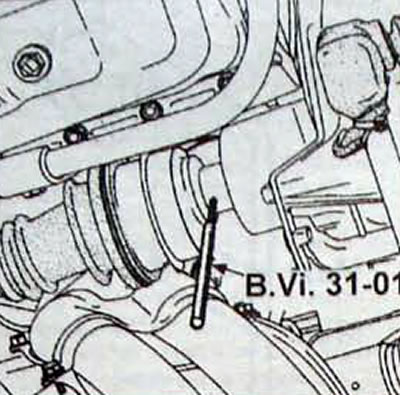
Fig. 6.8. Using punch B.Vi.31-01 to knock out the elastic pin of the right drive shaft
- Remove the wiring harness retainer from the transmission housing.
- Disconnect the connector from the reverse light switch, the oxygen sensor and the wire from the starter.
- Disconnect the speedometer drive flexible shaft from the gearbox.
- Remove the intake pipe of the exhaust system.
- Remove the bolts and remove the starter.
From below the car
- Remove the tensioner between the engine and the gearbox by unscrewing the bolts on the cylinder block and the bolts securing the clutch housing cover.
In the engine compartment
- Remove the air filter.
- Remove the bolt securing the ground busbar to the gearbox.
- Remove the air filter mounting bracket.
- Remove the top dead center sensor.
- Disconnect the clutch release cable from the gearbox
- Remove the upper bolts securing the clutch housing to the engine cylinder block.
- Raise the engine by placing a support stand or jack under the engine block.
- Remove the gearbox support mounting bolts, but do not remove the top nut (Fig. 6.9).
- Tilt the power unit slightly while raising the vehicle (or lowering the support if it has variable rigidity).
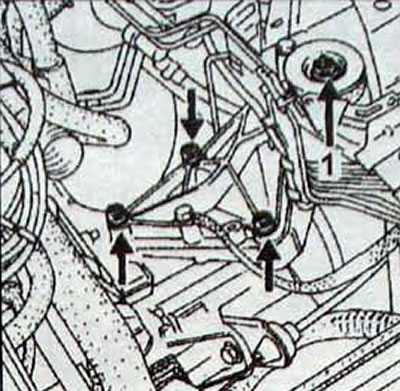
Fig. 6.9. Location of bolts and nuts (1) for fastening the gearbox support
From below the car
- Unscrew the nut located on the main gear housing.
- Place a jack under the gearbox
- Raise the gearbox slightly with a jack and remove the two bolts securing the rear engine mount and move it as far back as possible.
- Disconnect the gearbox from the engine and lower it using a jack, moving the engine support if necessary.
Installation
- Make sure that the mounting bushings are inserted into the gearbox sockets.
- Lubricate the splines of the right axle gear with MOLYKOTE BR2 grease
- Check the position of the clutch release bearing - protrusion (A. Fig. 6.10) must be inserted into the groove of the clutch fork.
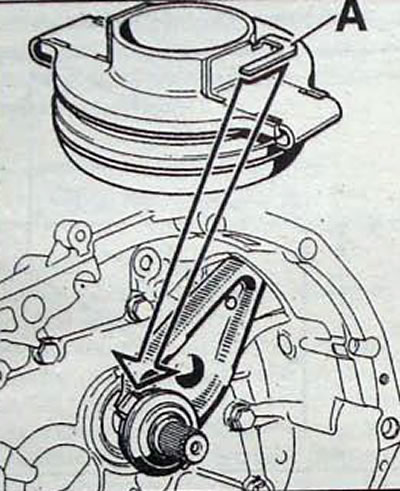
Fig. 6.10. Installing the clutch release bearing on the guide sleeve: A - protrusion
- The JC gearbox has a grease-filled boot for the clutch release fork support. Before installing the fork, apply MOLYKOTE BR2 grease to the boot (Fig. 6.11).
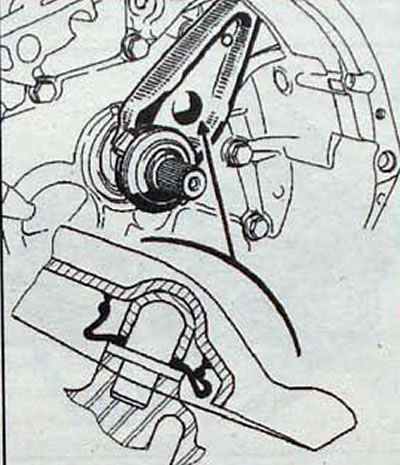
Fig. 6.11. Location of the clutch release fork support boot filled with grease (jC gearbox)
- Install the gearbox
- Make sure that the dowel pins are correctly installed in the slots on the engine block.
- Check for the presence of the centering sleeve, which must be in the hole for the starter mounting bolt (V. Fig. 6.12).
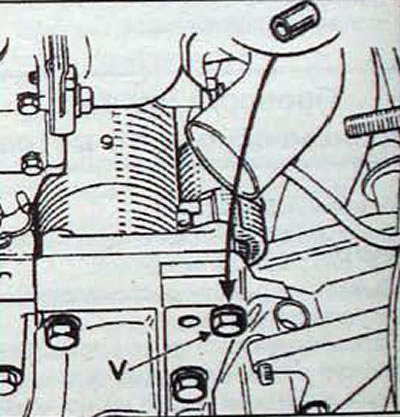
Fig. 6.12. Location of the centering sleeve under the bolt (V) when installing the starter
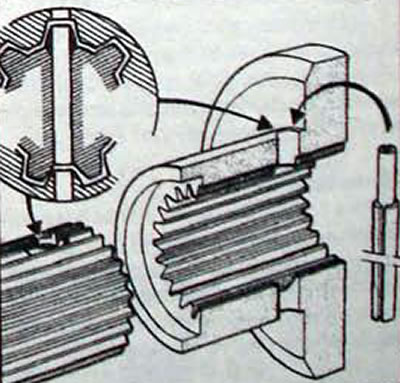
Fig. 6.13. Alignment of holes in the drive shaft and axle gear for installing the elastic pin
- Using a jack, position the power unit so that the left front engine mount can be installed
- Install the drive shaft opposite the axle gear.
- Rotate the steering knuckle and insert it into the axle gear using the angle punch B. Vi 31-01 to align the holes for the elastic pins. The entry chamfer of the hole in the axle gear facilitates the installation of the new elastic pin. Apply RHODORSEAL 5661 to seal the ends of the pins.
- After installing the power unit on the vehicle, check the clutch release fork travel, which should be within 26-28 mm (Fig. 6.14).
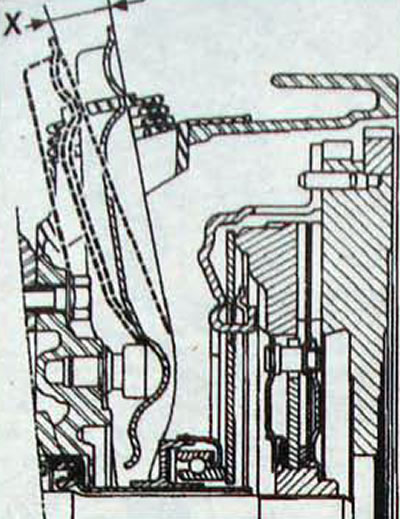
Fig. 6.14. Location for measuring the clutch release fork travel: X = 26-28 mm
- Pull the clutch cable in the area of the clutch release fork on the gearbox and check the free play of the cable, which should be at least 3 cm. This check shows that the automatic wear compensation mechanism is working properly.
- Replace the brake caliper floating bracket guide pin mounting bolts and tighten them to the specified torque.
- Press the brake pedal several times to set the brake cylinder pistons to the working position.
- Tighten all nuts and bolts to the specified torque.
- Fill the gearbox with transmission oil.
(Text published on the website: www.renaultbook.ru)
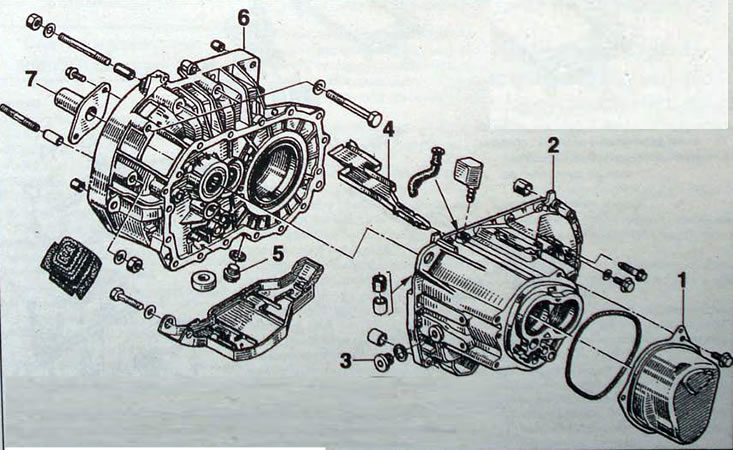
Fig. 6.15. JC5 gearbox housings:1 - 5th gear cover; 2 - gear housing; 3 - transmission oil fill/level check plug; 4 - oil supply channel; 5 - transmission oil drain plug; 6 - clutch housing; 7 - Clutch release bearing guide sleeve
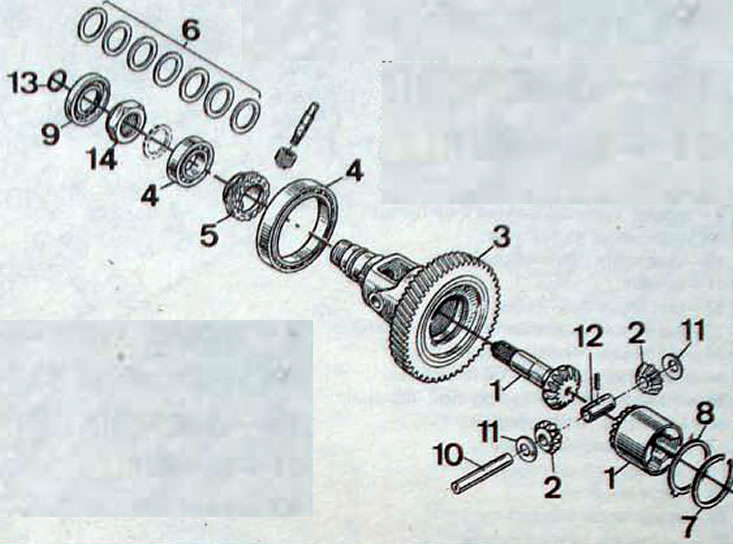
Fig. 6.16. JC5 gearbox differential: 1 - low-axis gear; 2 - satellites; 3 - driven gear of the main transmission; 4 - tapered bearing; 5 - speedometer drive gear; 6 - adjusting washers; 7 - retaining ring; 8 - adjusting washer; 9 - oil seal; 10 - satellite axis; 11 - satellite support washers; 12 - spacer sleeve; 13 - seal; 14 - nut
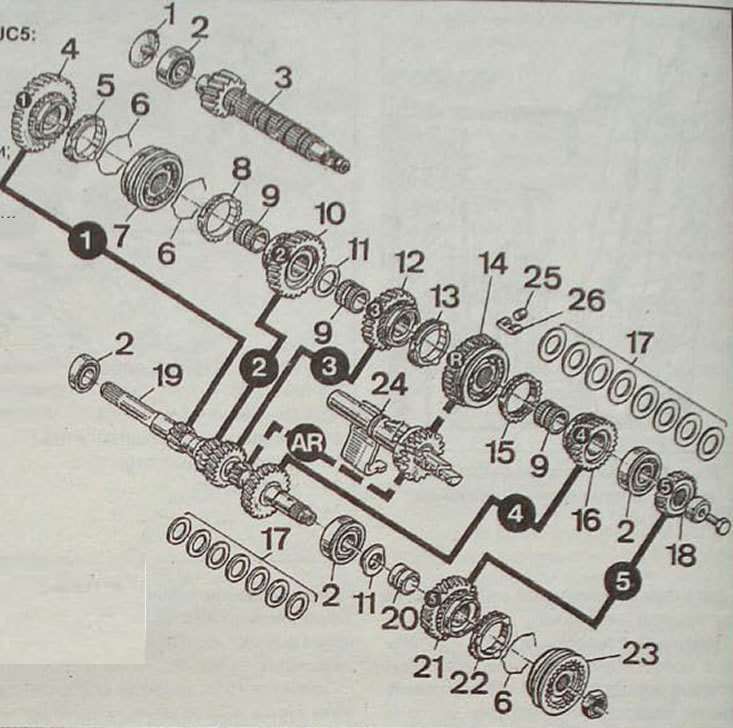
Fig. 6.17. Gearbox gears JC5: 1 - ring; 2 - roller bearing; 3 - secondary shaft; 4 - 1st gear pinion; 5 - 1st gear synchronizer ring; 6 - spring; 7 - 1st/2nd gear synchronizer; 8 - 2nd gear synchronizer ring; 9 - needle bearing; 10 - 2nd gear pinion; 11 - washer; 12 - 3rd gear pinion; 13 - 3rd gear synchronizer ring; 14 - reverse gear pinion and 3rd/4th gear synchronizer; 15 - 4th gear synchronizer ring; 16 - 4th gear pinion; 17 - adjusting washers; 18 - 5th gear pinion; 19 - primary shaft; 20 - needle bearing; 21 - 5th gear pinion; 22 - gear synchronizer locking ring; 23 - 5th gear synchronizer; 24 - intermediate gear and reverse gear shaft; 25 - locking roller; 26 - retainer spring
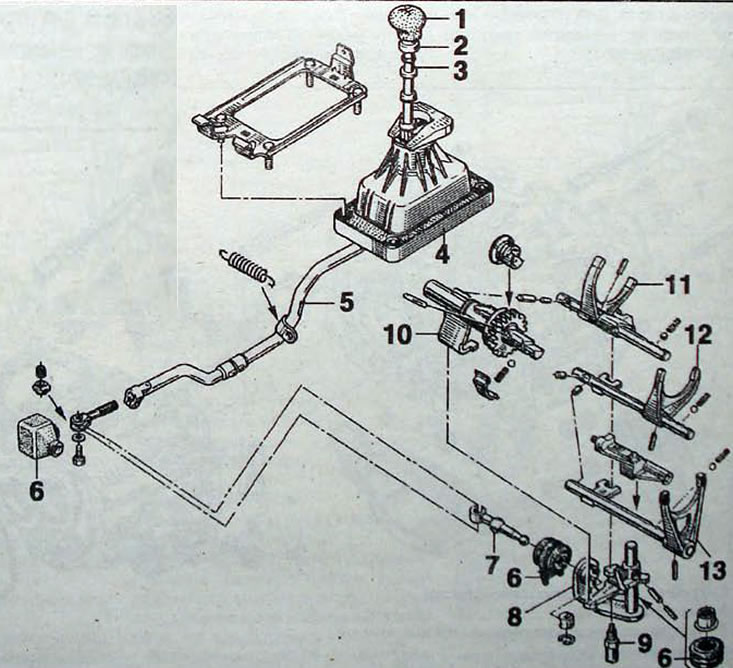
Fig. 6.18. Gear shift mechanism of the JC5 gearbox: 1 - gear shift lever handle; 2 - reverse gear lock ring; 3 - gear shift lever; 4 - base; 5 - gear shift rod; 6 - elastic protective coupling; 7 - rod; 8 - gear selection mechanism; 9 - axis; 10 - 5th gear selection mechanism; 11 - 1st/2nd gear engagement fork; 12 - 3rd/4th gear engagement fork; 13 - 5th gear engagement fork
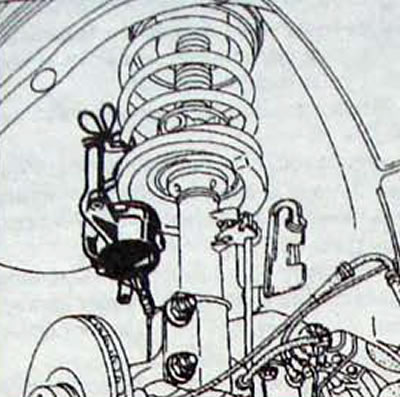
Fig. 6.19. Fastening the brake caliper bracket to the front suspension spring
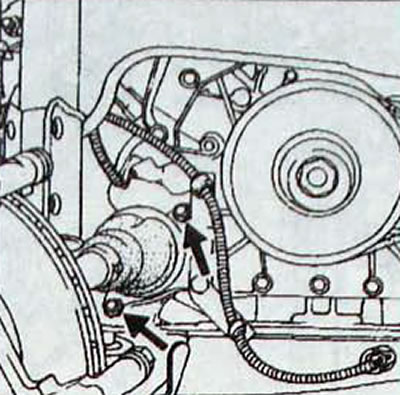
Fig. 6.20. Location of the bolts for fastening the intermediate support of the drive shaft in the support bearing
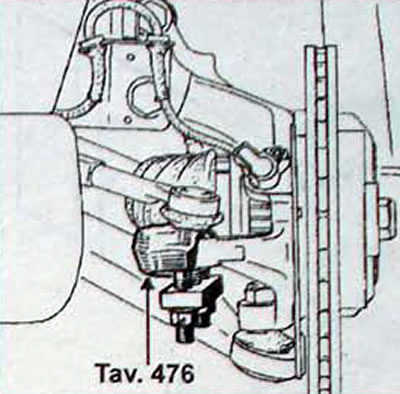
Fig. 6.21. Using the Tav. 476 puller to disconnect the tie rod end from the steering knuckle
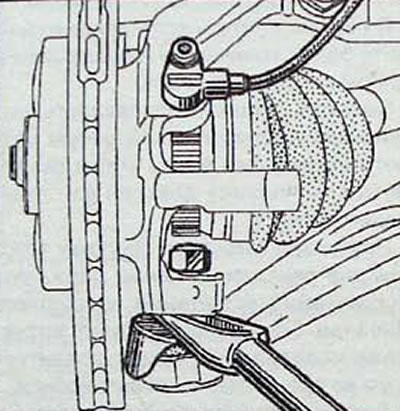
Fig. 6.22. Using an impact puller to press out the lower ball joint
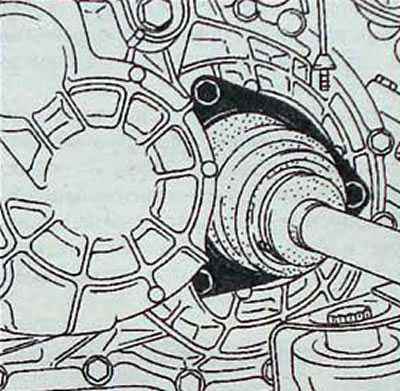
Fig. 6.23. Location of the bolts for fastening the corrugated cover of the drive shaft to the differential flange
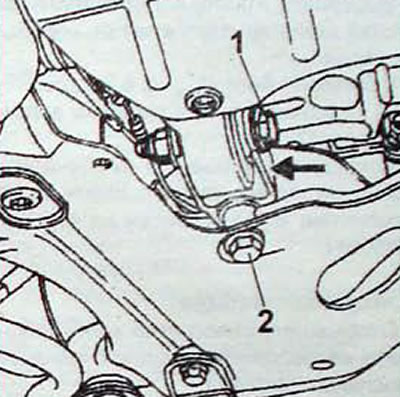
Fig. 6.24. Location of the bolt (1) securing the reaction rod and the bolt (2)