



Contents: Heat 🠛 Preheating device functions 🠛
Cold Engine Starting Device Diagram
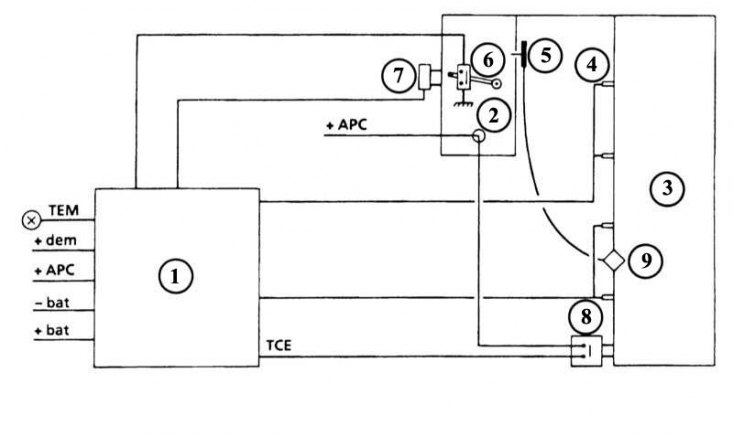
1 - preheating device control device; 2 - high pressure fuel pump (HPFP); 3 - engine; 4 - glow plugs; 5 - lever for normal and accelerated idle.; 6 - full load micro switch (electrical circuit at idle is off); 7 - Cold engine starting device solenoid valve; 8 - Cold engine starter thermal switch; 9 - thermoelement in the coolant circulation system.
The following connections are indicated below: "+APC" - switched plus; "TEM" - to the preheating control lamp; "+dem" - to the starter; "+bat" - from the battery; "-bat" - to the mass.
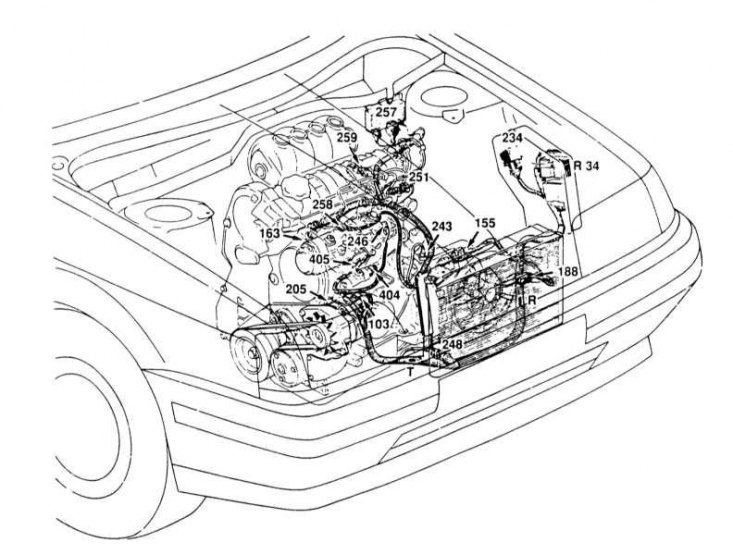
The drawing of the diesel engine compartment shows the plan for wiring the most important elements of the preheating device. For those who do not know the individual elements.
Heat
When starting a cold engine, the injected fuel must be ignited in the swirl chamber of the diesel engine by glow plugs. For this purpose, a glow plug is screwed into the swirl chamber of each cylinder, which additionally heats and ignites the already highly heated by compression intake air and injected fuel for several seconds.
Preheating device functions
By turning the key to the second position in the ignition switch, you switch on the preheating. In this way, you give the control unit of the preheating device (located in the engine compartment on the left side of the front wall) command "start engine warm-up".
The control device determines independently how long the heating should last.
The control unit receives temperature information via a temperature sensor, which registers the ambient air temperature and then determines the duration of the preheating and postheating phases. Then the heating proceeds independently in 3 stages.
1. When the ignition is on, the glow plugs heat up to a temperature of over 1000°C. The pre-heating time is limited by the control unit depending on the outside air temperature. At an outside air temperature of –30°C, the pre-heating time lasts about 20 seconds, while with the engine warmed up to operating temperature (80°C), it is zero.
2. When starting the engine, the temperature of the glow plugs decreases, which is caused by the high current consumption of the starter.
3. After the engine has started, the glow plugs remain on in the post-heating phase for about 10 seconds.
4. If the coolant temperature was above 60°C when the engine was started, the thermal switch in the coolant circulation system switches off the electrical circuit and subsequent warming up with the engine running is not performed.
5. Upon completion of subsequent heating of the glow plug, the control device commands the following in turn: (respectively, 2 for 2 glow plugs) and, depending on the outside air temperature, receive 50% of the electric current power to improve the performance of a cold engine.
Note: Recommendation: If the starter turns the engine too long during starting, the starting process must be repeated, since the automatic system has already interrupted the power supply to the glow plugs. In this case, the preheater control unit must activate the glow plugs again.
If you forget to preheat the engine, the starter will crank the engine for as long as it takes to preheat until a mixture ready for ignition is formed. The fuel that has accumulated before the engine starts is then expelled as unburned blue smoke.